
At a Glance
- The US Senate’s crypto market structure bill is on a tight timeline as lawmakers seek bipartisan support.
- Patrick Witt, a senior White House crypto advisor, says the bill is inevitable but will need compromises to secure the necessary votes.
- The midterms in November could shift congressional control and influence the bill’s future.
Why it matters: The bill will set how the SEC and CFTC regulate the multi-trillion-dollar crypto industry, affecting exchanges, investors, and innovators.
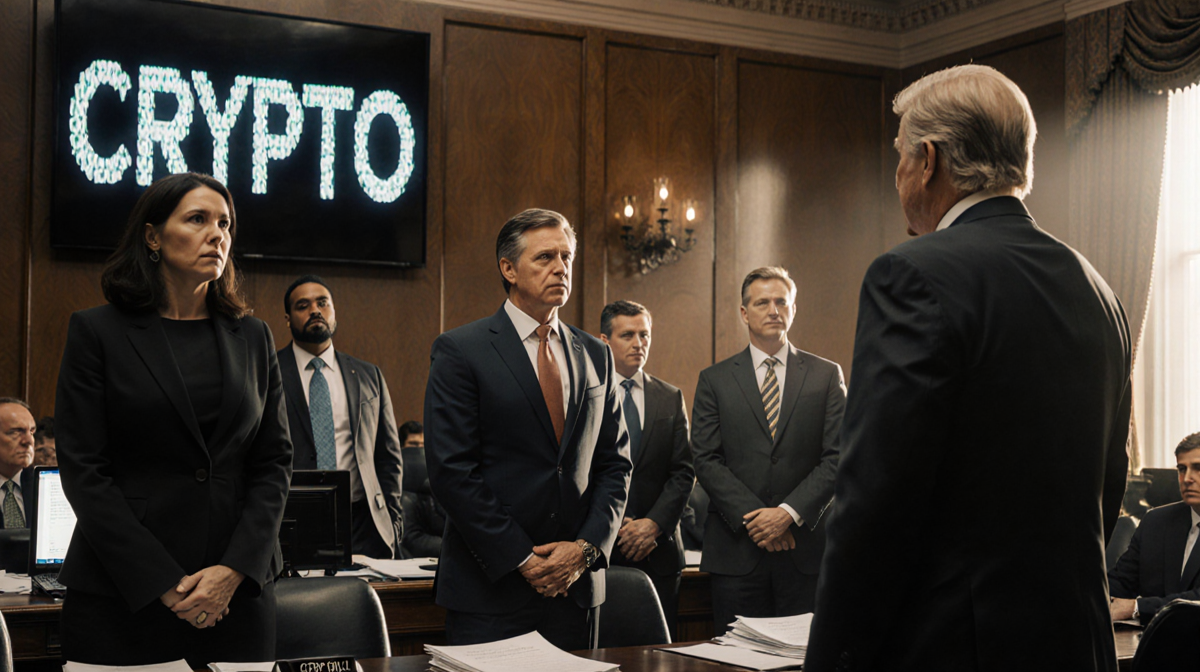
The US Senate’s crypto market structure bill is under pressure to move quickly. A top White House advisor says the bill is inevitable but will require concessions. With the midterms approaching, lawmakers are racing to secure support before any shift in congressional control.
Senate Pushes for Crypto Bill
The Senate is working to define how the Securities and Exchange Commission and the Commodity Futures Trading Commission would police crypto. The bill, part of the CLARITY Act, has been delayed for markups on Thursday to drum up bipartisan support. The Banking Committee and the Agriculture Committee, which oversee the SEC and CFTC respectively, are key players. The bill aims to provide a comprehensive regulatory framework for the crypto market.
White House Advisor Calls for Urgent Action
Patrick Witt, executive director of the President’s Council of Advisors for Digital Assets, said on Tuesday that “There will be a crypto market structure bill – it’s a question of when, not if.” He added that “Assuming a multi-trillion-dollar industry will continue to operate indefinitely without a comprehensive regulatory framework is pure fantasy.” Witt urged lawmakers to “take advantage of the opportunity to pass a bill now.” He said that a pro-crypto President, control of Congress, and strong regulators at the SEC and CFTC are in place to write the rules. He warned that Democratic lawmakers would “write punitive legislation.”
Key Points from Witt
- The bill is inevitable but needs compromises to secure 60 votes in the Senate.
- A “bad bill” is preferable to no bill, according to some crypto lobbyists.
- The bill’s passage would prevent punitive legislation that could harm the industry.
Lobbyists and Lawmakers Clash
Coinbase CEO Brian Armstrong and other major lobbyists dropped their support for the legislation after comments on Wednesday. They stated they would “rather have no bill than a bad bill.” This stance has caused friction between the crypto industry and lawmakers. Some lobbyists argue that provisions in the bill are too restrictive on stablecoins and decentralized protocols.
Industry Concerns
- Stablecoin regulations could limit liquidity and innovation.
- Decentralized protocols might face increased compliance burdens.
- The industry fears that the bill could stifle growth if too restrictive.
Political Stakes Ahead of Midterms
The upcoming midterms in November could change the balance of power in Congress. Republicans currently hold the majority in the House and Senate, but polling suggests Democrats might gain control of the House. Polymarket bettors give Democrats 78% odds of taking the House. Republicans are predicted to keep control of the Senate, but a Democrat-controlled House could derail the President’s policy goals.
Timeline of Events
| Date | Event |
|---|---|
| Tuesday | Witt announces inevitability of the bill |
| Wednesday | Coinbase drops support |
| Thursday | Senate markups delayed for bipartisan support |
| November | Midterms to decide House and Senate control |
What This Means for the Crypto Industry
The bill’s passage will create a regulatory framework that defines how the SEC and CFTC oversee crypto. It could bring clarity for exchanges, investors, and developers, but also impose compliance costs. The industry’s future will depend on the compromises lawmakers make to secure the necessary votes.
Key Numbers
| Item | Value |
|---|---|
| Industry size | multi-trillion-dollar |
| Votes needed | 60 |
| Polymarket odds | 78% |
| Senate seats at stake | 35 of 100 |
Key Takeaways
- The crypto market structure bill is urgent; lawmakers must act before the midterms.
- A top White House advisor stresses the need for compromise to secure 60 votes.
- The industry is divided; some lobbyists prefer no bill over a restrictive one.
- Political shifts could influence the bill’s fate and future regulation.